
After eight years building and reviewing online casino products across Web3 and iGaming, I’ve watched craps split newcomers in two camps. Some treat the table like a sealed box; others reckon the come-out roll is the only beat of the game that actually matters. This breakdown unpacks craps come out roll explained through two real Aussie player setups, from a casual Cairns punter to a sharper table-reader working the don’t-pass line.
What the Come-Out Roll Actually Does at the Table

The come-out roll is the opening dice throw of any craps round, and it carries weight no later throw can match. Roll 7 or 11 and the pass line pays even money before the table has even settled. Roll a 2, 3 or 12 and the round dies immediately on a loss. Anything else – 4, 5, 6, 8, 9 or 10 – locks in as the point, and play shifts into a different mode until that number repeats (a win for pass-line backers) or a 7 shows first (a loss).
That single decision tree is why craps come out roll explained tends to be the first thing any decent strategy piece covers. The puck sits OFF, the boxman clears the layout, and a fresh round begins. In my eight years reviewing digital craps products, the platforms that handle this transition cleanly earn repeat visits faster than those that bury it under animations. To feel that difference without spending a cent, walking through thepokiesnetnodeposit.com gives you a no-deposit trial of the full craps suite.
What separates a polished product from a clunky one is consistency: same payout timing, chip colours unique to each player to sidestep mix-ups, and a clean heads-up view when you stake alone against the dealer. That’s the baseline experienced players grade you on, from a Friday arvo session in Cairns to a late-night table offshore.
Which Player Type Are You at the Come-Out?
The come-out roll splits craps players into recognisable types, and knowing which one you are shapes every wager you place. After eight years of product testing, I reckon the same two setups show up in Cairns RSL rooms, online lobbies and late-night streams alike. Picking the right one early saves you from betting against your own temperament.
The Casual Punter: Pass Line and Let It Ride
For most Aussie players, the come-out roll is a one-decision moment. You back the pass line, the dealer sets the puck, and you let the dice sort themselves out. It’s the same approach as a casual each-way bet on the trots – money on the runner to win, money on it to place, and you walk away either way without overthinking the in-between.
- Place your pass-line stake before the stickman hands the dice across.
- Watch the come-out throw: 7 or 11 pays even money, 2/3/12 loses, anything else locks as the point.
- Once a point is set, leave the bet working or take it down – your call.
- Repeat each round; don’t chase losses on the come-out.
This setup suits a busy arvo at the local and is the same flow you’ll find in any decent craps product.
The Table Reader: Don’t-Pass and Selective Come
Sharper players read the shooter. A confident stickman on a hot run keeps the pass line alive; a hesitant one invites don’t-pass and come bets working the other side. Henry Fraser, Strategy Director at Gold Coast Gaming Network, put it to me this way: “The come-out tells you more about the next four throws than any system will – read the player, not the dice.”
The flow looks like this. Step one, watch two or three come-out rolls without betting. Step two, back the don’t-pass when the shooter shows nervous grip or repeated set-ups. Step three, lay max odds once a point is established to trim the house edge. Step four, walk away after a single seven-out – chasing a shooter past that point is how bankrolls vanish in this game.
When the Come-Out Roll Fits Your Style
Craps isn’t a one-size game, and the come-out roll exposes that fast. A casual pass-line punter needs a low minimum, a clear chip colour per player so there’s no confusion across a crowded table, and a heads-up option when you want the table to yourself. Online, that means lobbies under A$1 entry, mobile layouts that don’t hide the dice animation, and quick withdrawals when a hot streak ends.
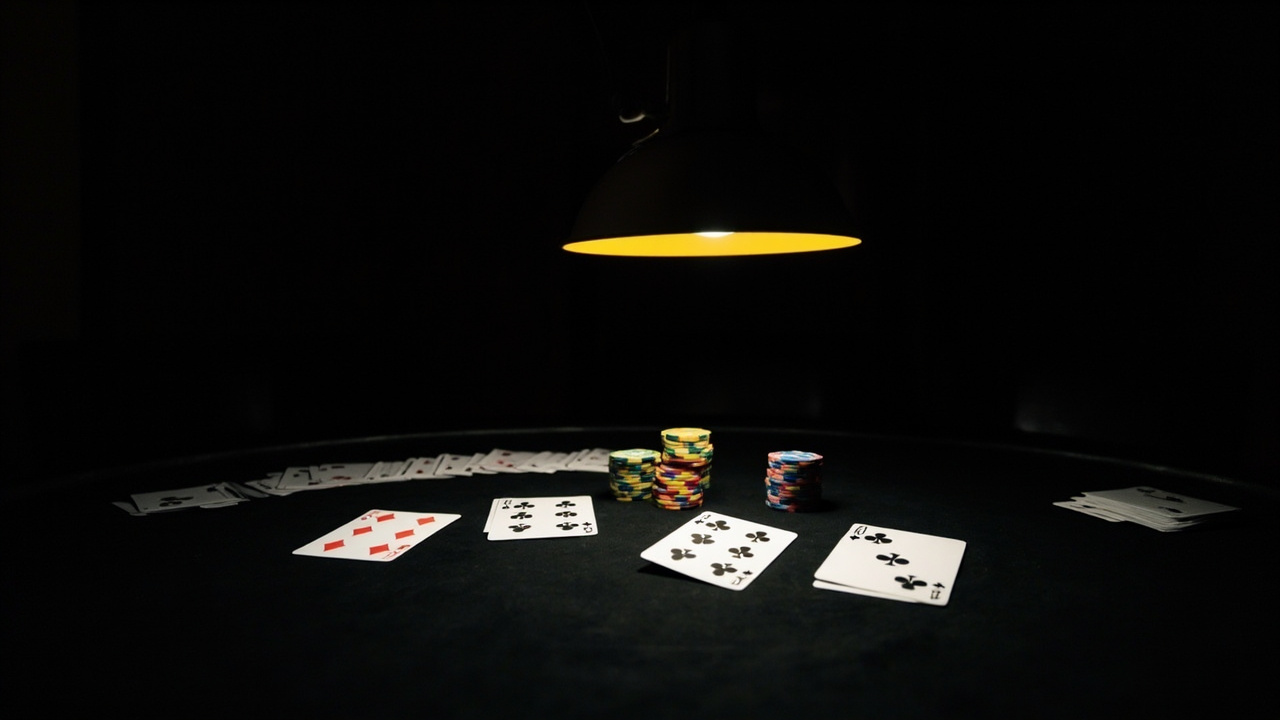
A table reader wants the opposite: lay odds on the don’t-pass, slow shooter rotation, and the kind of session log a real strategy demands. Sienna White, Head of Public Relations at Great Southern Betting Review, told me the platforms getting craps right in 2026 are the ones treating the come-out as a featured moment rather than a throwaway intro – and that means replay tools, transparent RTP, and a loyalty programme that doesn’t punish small-stake players. In wider jackpot-lobby coverage, the Mega Jackpot Bingo breakdown walks through that same design logic in detail.
Pick the path that matches your patience. If you’re on a Cairns arvo with twenty minutes to kill, pass-line is plenty. If we can you’ve got a full evening and a read on the table, the don’t-pass setup rewards you. Either way, the come-out roll decides the round – make sure the product you’re playing respects that.
Craps come out roll explained properly isn’t about memorising every side bet on the layout. It’s about reading the table, picking a setup that suits your bankroll, and trusting the rhythm once you’ve committed. Pass-line for casual arvo sessions, don’t-pass with lay odds for readers who want the edge. The right product handles both with the same clean hands and a transparent payout log. Anything less than that – give it a miss.